🎉 Up to 70% Off Selected ItemsShop Sale
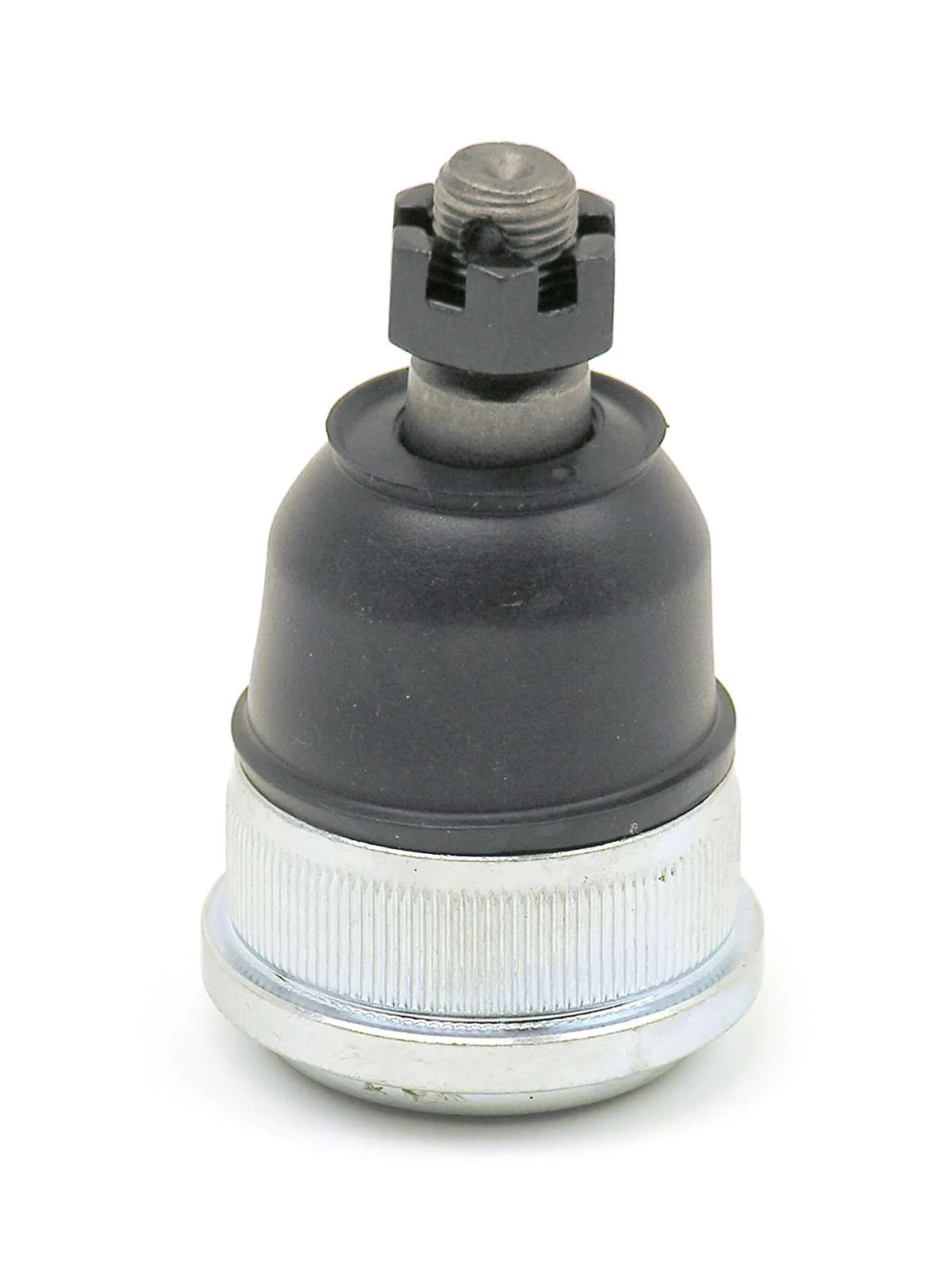
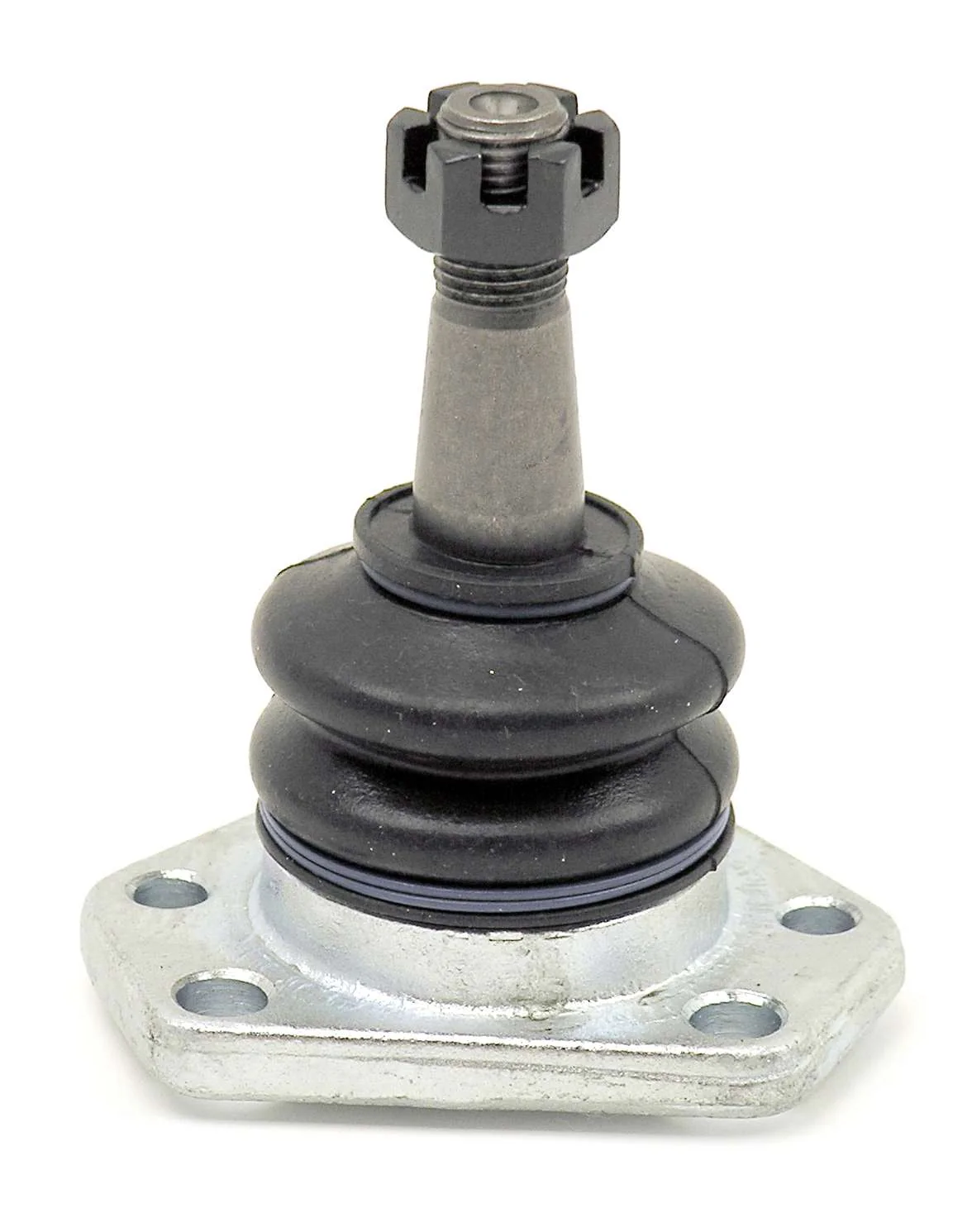
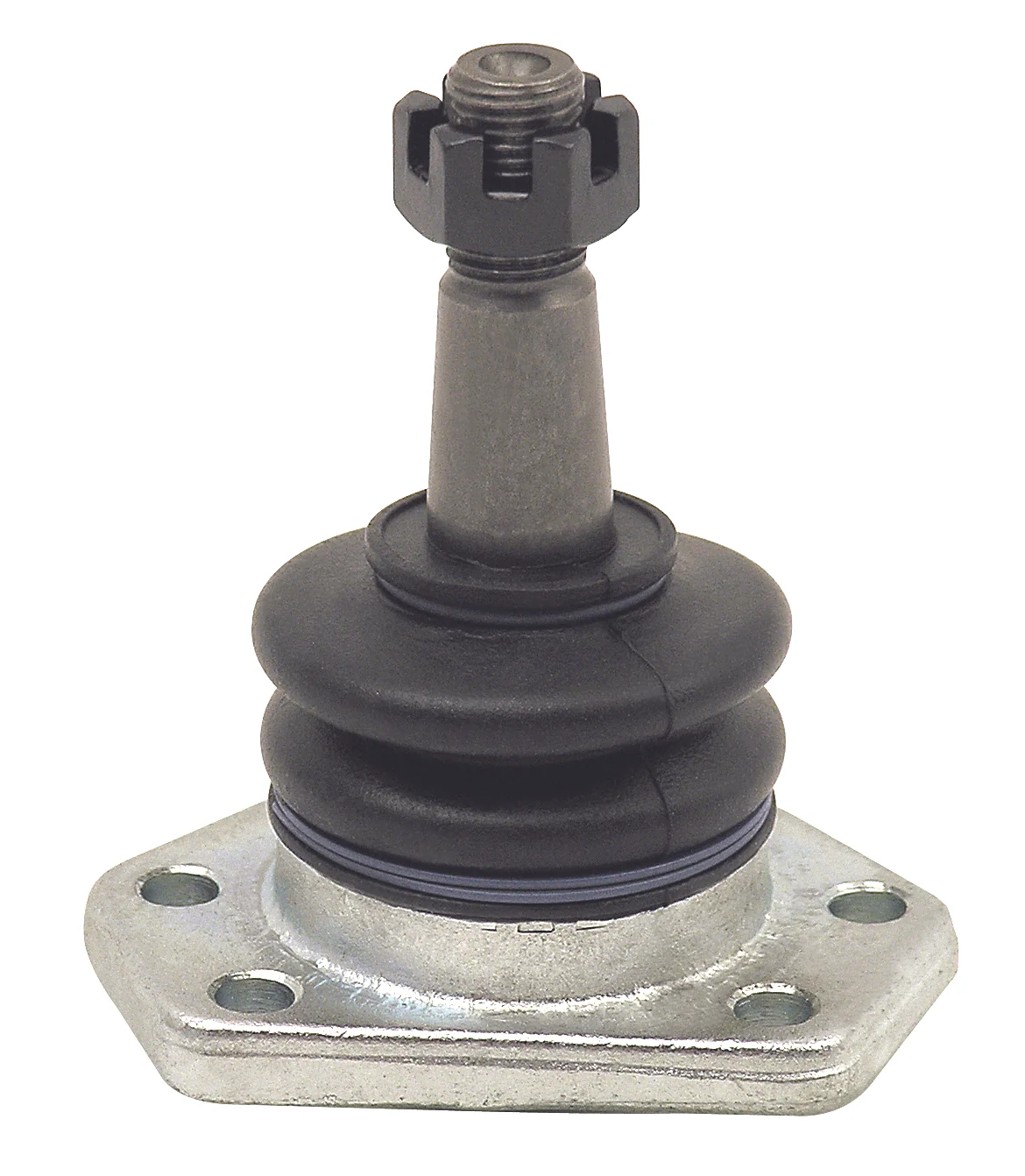
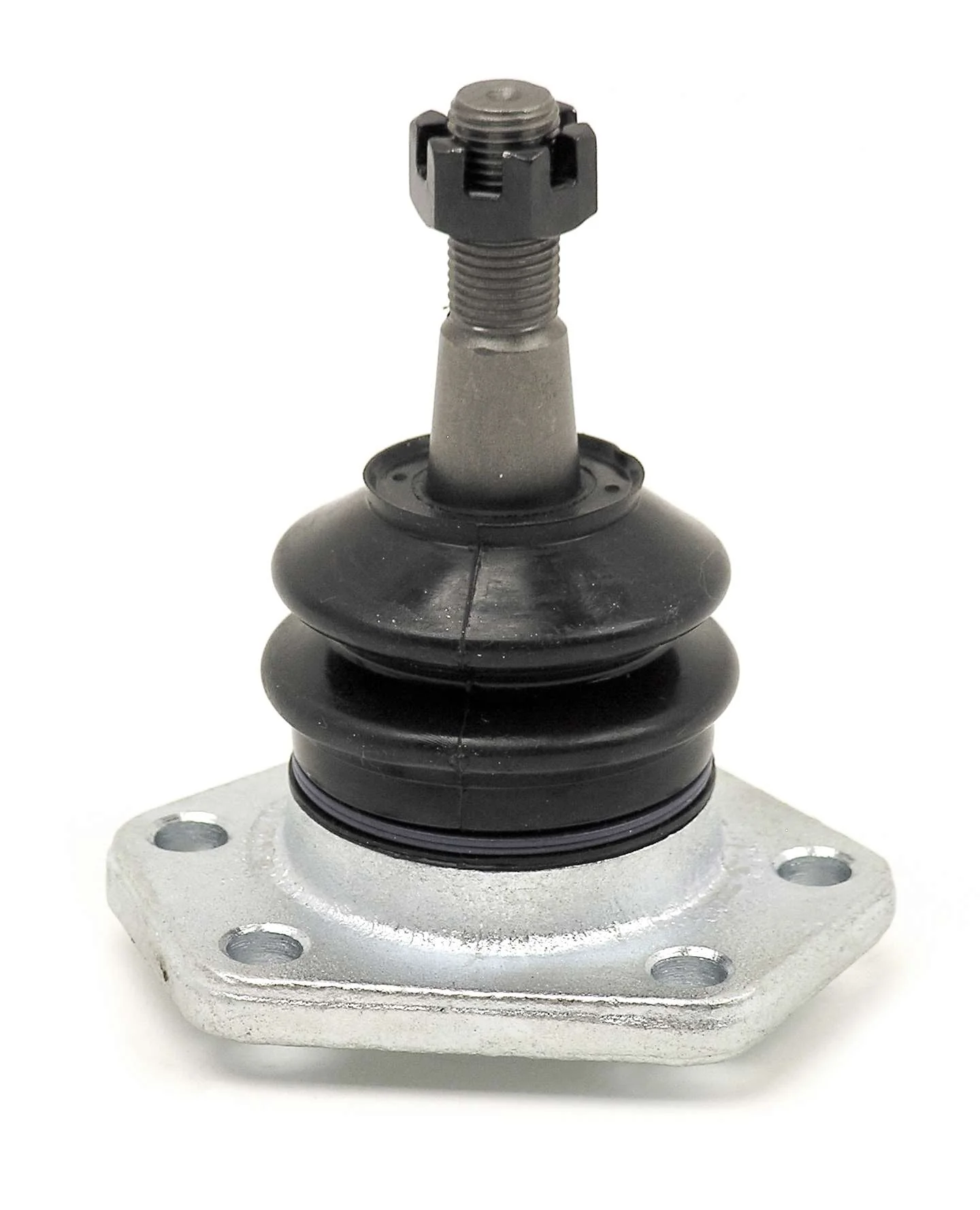
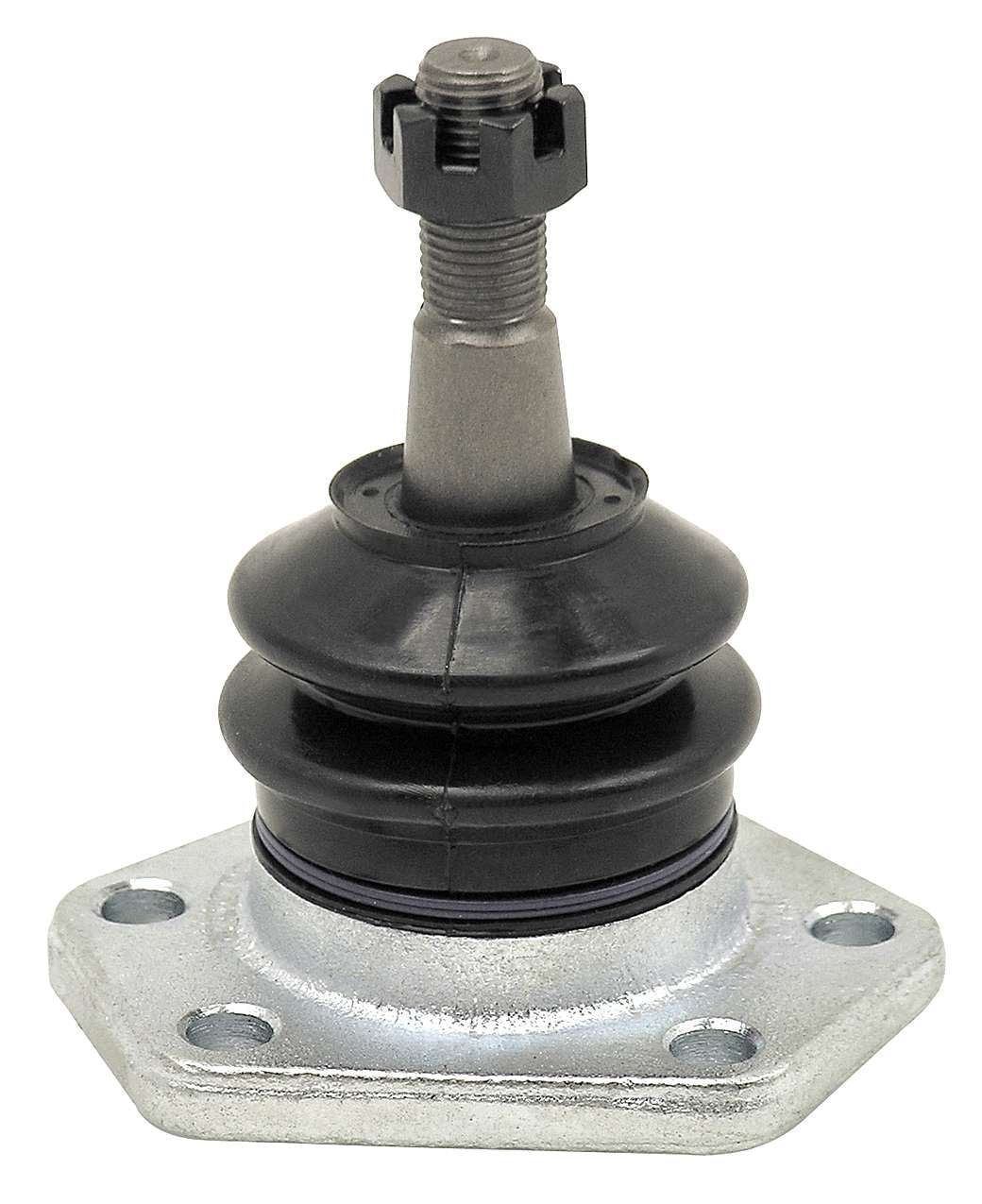
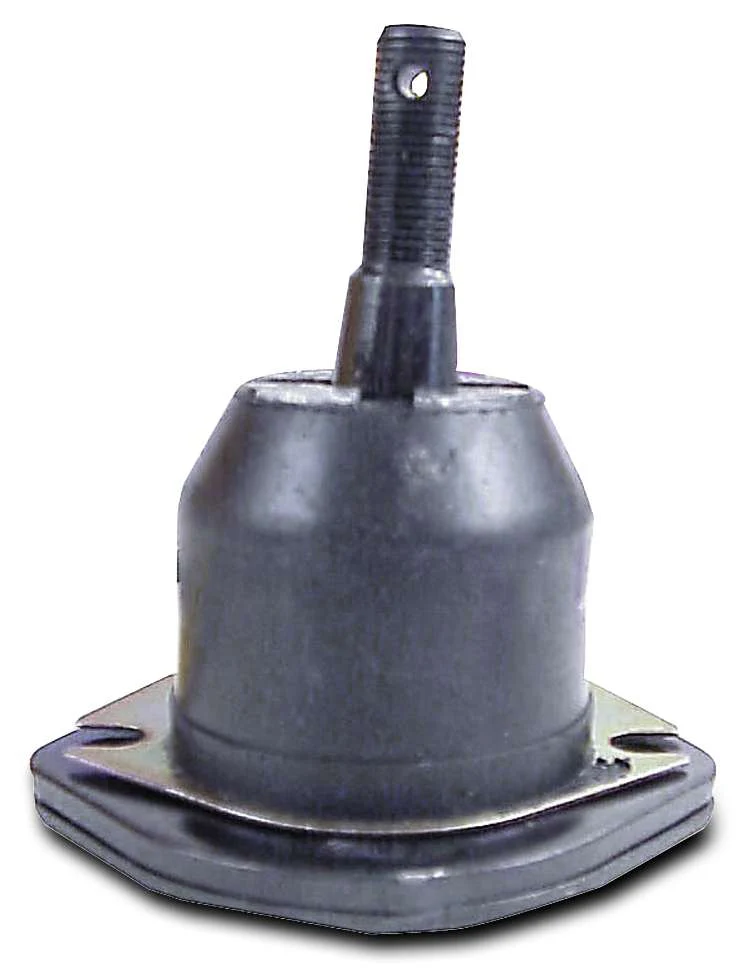
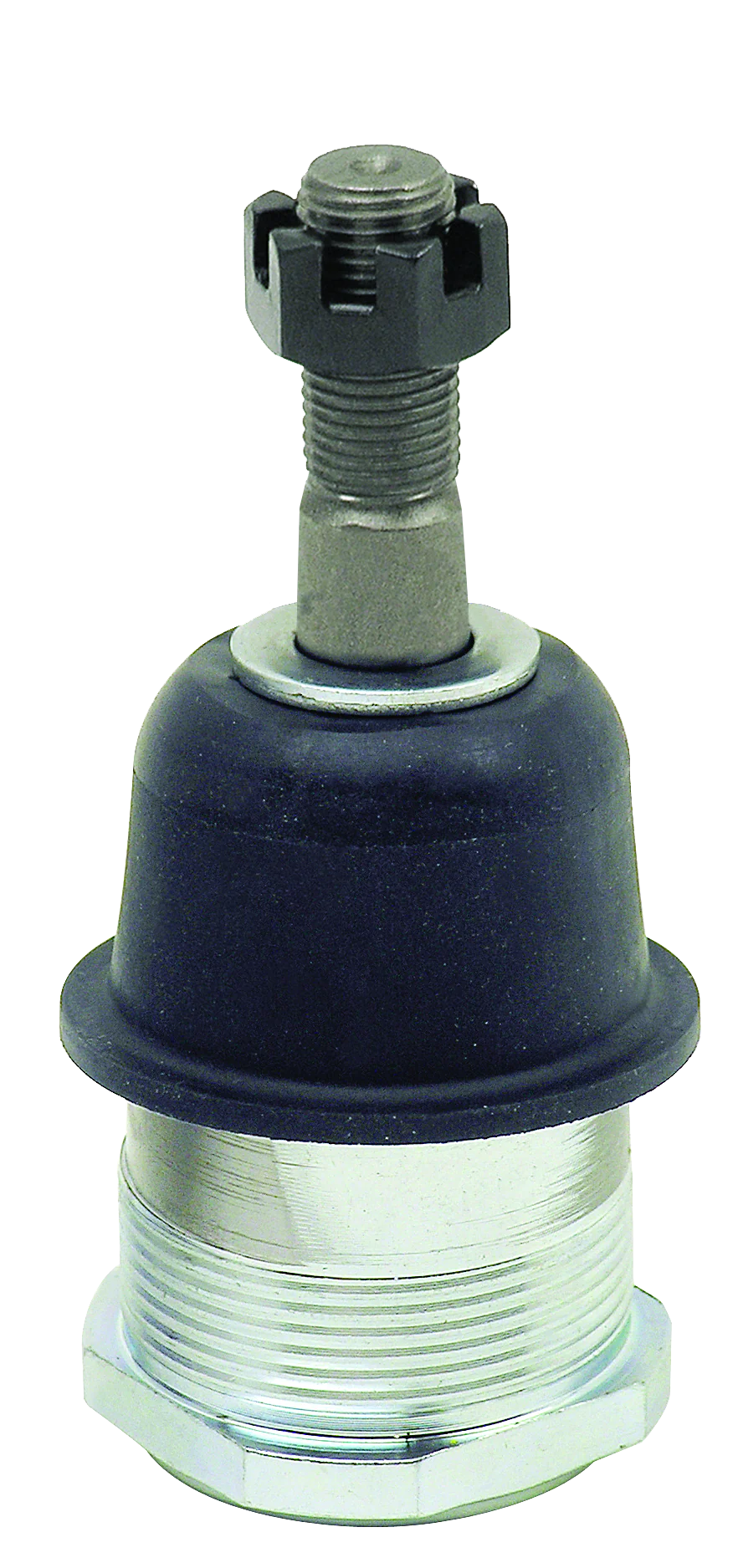
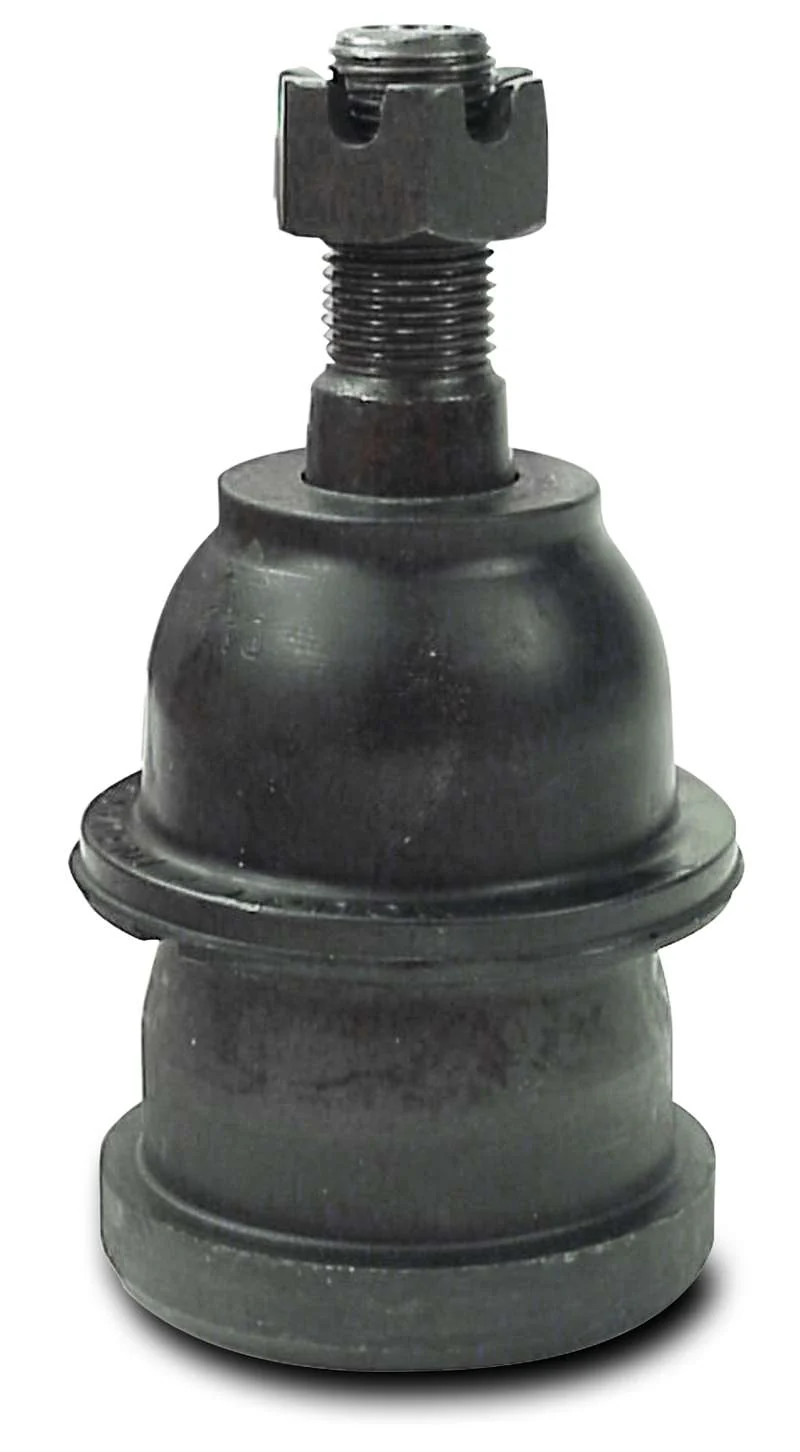
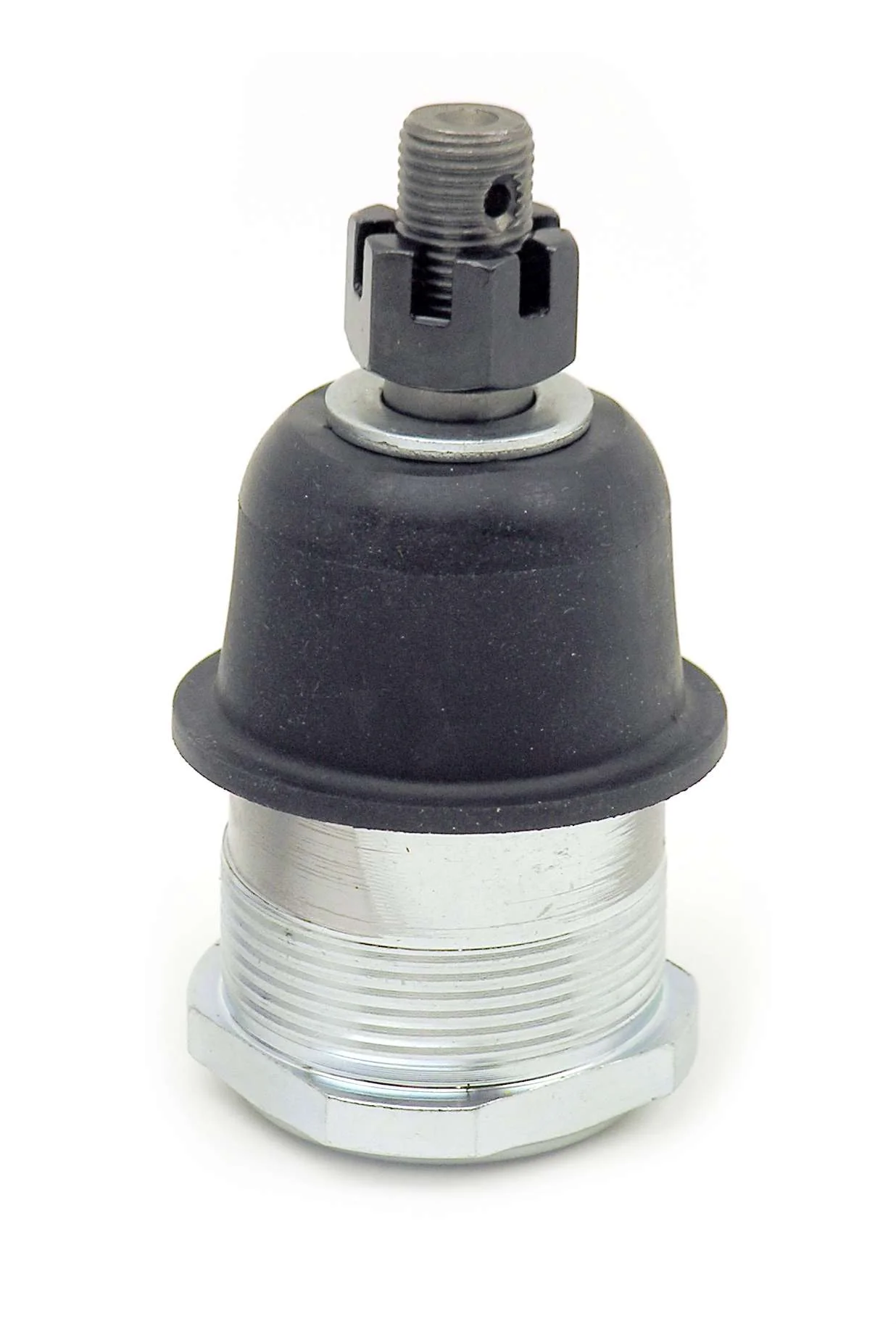
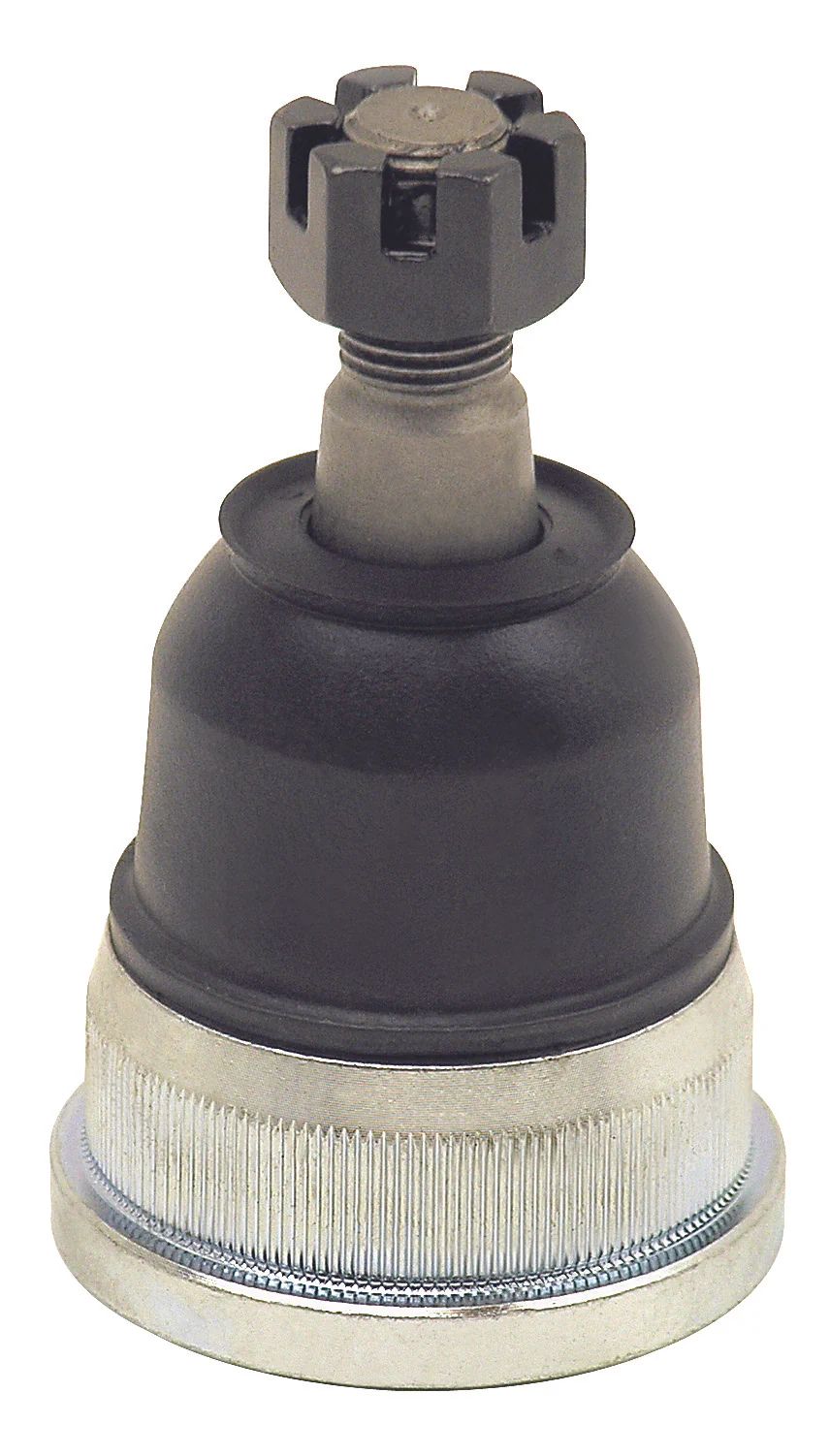
Ball Joint Low-Friction K5103 Press-In Lower 64-72 Chevelle
AFCO’s low friction ball joints are designed with 2 ft. lbs. of resistance, the force required to move the stud of the ball joint. Compare this with standard replacement joints, with up to 50 ft. lbs. of resistance. Only 2 ft. lbs. of resistance and less bind = lower lap times. Improves weight transfer. Frees up suspension for more consistent, repeatable chassis tuning. Precision-machined to tight tolerances, providing consistent resistance throughout the travel of the ball joint, to deliver consistent performance. Road inputs are controlled more effectively by the shock and spring instead of the tire, which improves traction. Removes suspension bind and allows shock & spring to have more precise wheel control. Meets or exceeds standard ball joint strength. Provides more accurate setups during vehicle scaling. Lower input steering efforts and faster steering wheel return. Extended lengths will raise roll center and improve camber curves. Stock appearing.
$59.99
Ball Joint Low-Friction K5103 Press-In Lower 64-72 Chevelle—
$59.99
Product Information
Product Information
Shipping & Returns
Shipping & Returns
Description
AFCO’s low friction ball joints are designed with 2 ft. lbs. of resistance, the force required to move the stud of the ball joint. Compare this with standard replacement joints, with up to 50 ft. lbs. of resistance. Only 2 ft. lbs. of resistance and less bind = lower lap times. Improves weight transfer. Frees up suspension for more consistent, repeatable chassis tuning. Precision-machined to tight tolerances, providing consistent resistance throughout the travel of the ball joint, to deliver consistent performance. Road inputs are controlled more effectively by the shock and spring instead of the tire, which improves traction. Removes suspension bind and allows shock & spring to have more precise wheel control. Meets or exceeds standard ball joint strength. Provides more accurate setups during vehicle scaling. Lower input steering efforts and faster steering wheel return. Extended lengths will raise roll center and improve camber curves. Stock appearing.